
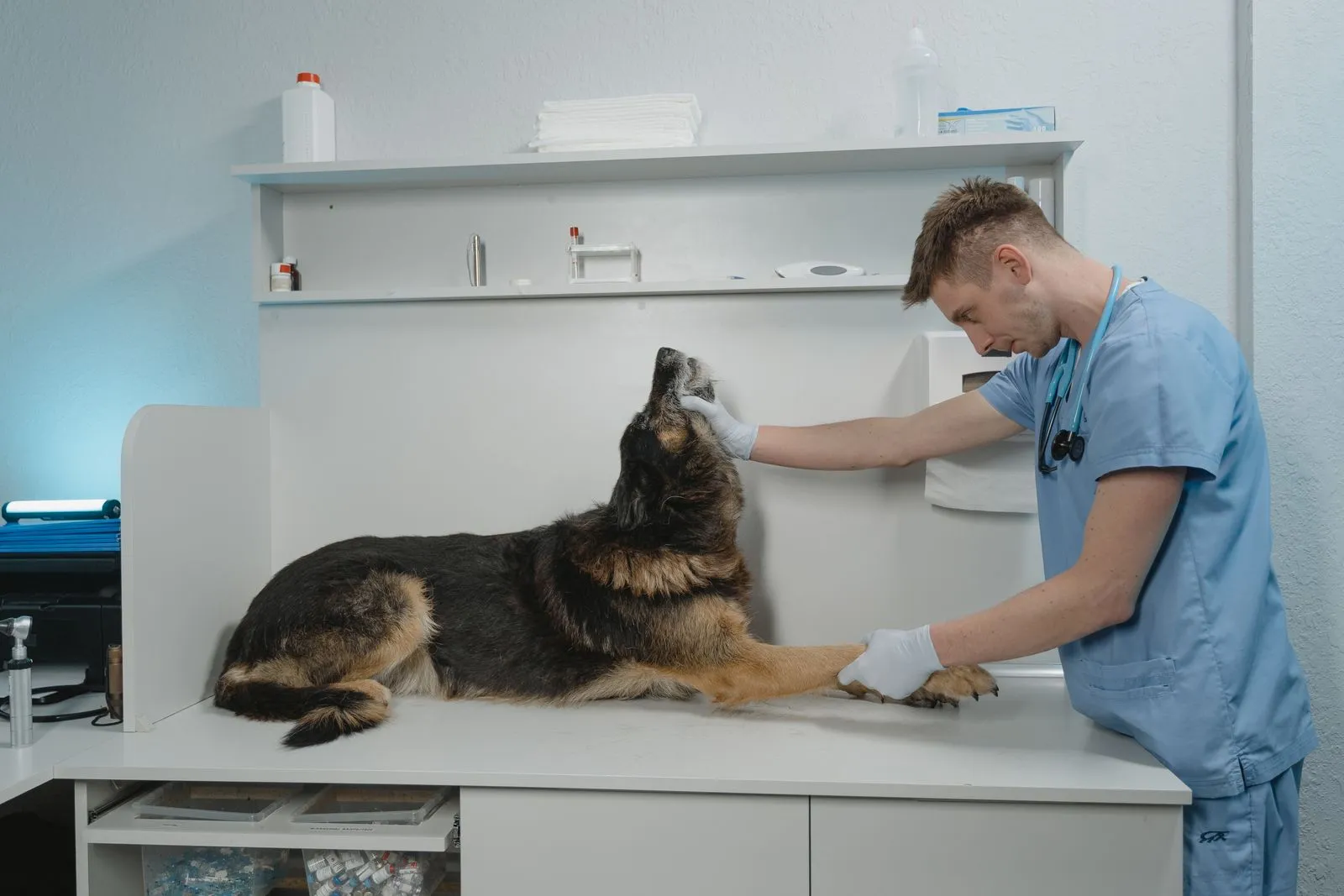
Pets often show that something is wrong through small changes before a clear illness appears. A missed meal, unusual withdrawal, or reluctance to climb stairs may have several causes, but a change that persists or worsens deserves attention. Knowing what is normal for your pet makes it easier to notice these signals. Consider how long a change has lasted, whether other symptoms have appeared, and how it affects daily activities. When in doubt, call your veterinarian for guidance.
Notice appetite and thirst changes
A sudden loss of interest in food, eating much less, or refusing favorite treats can signal discomfort or illness. So can a noticeable increase in appetite, especially when it comes with weight changes or unusual behavior. Record when the change began, what your pet has eaten, and whether vomiting or diarrhea has occurred. Contact your veterinarian if appetite loss persists, your pet seems unwell, or the change is pronounced.
Changes in drinking and urination also matter. Drinking far more or less than usual, asking to go outside more often, or having accidents indoors can point to a health problem. Do not restrict water to reduce accidents. Note any changes and call your veterinarian, particularly if your pet strains to urinate, produces very little urine, or seems painful.
Watch for behavior shifts
A normally social pet that hides, avoids touch, or seems unusually quiet may be in pain or feeling unwell. Restlessness, irritability, repeated vocalizing, or difficulty settling can also be clues. Look for patterns: when the behavior occurs, what seems to trigger it, and whether eating, sleeping, or toileting has changed too. A brief change may pass, but a marked or ongoing shift merits a call.
Confusion, unusual unresponsiveness, or a sudden change in awareness needs prompt attention. Seek urgent veterinary advice if your pet collapses, has a seizure, struggles to breathe, or cannot be roused normally. Keep your pet in a safe, quiet place while you contact a clinic, and do not give human medication unless a veterinarian specifically directs you to.
Pay attention to movement
Limping, stiffness, a hunched posture, or reluctance to jump, use stairs, or go for a walk can indicate pain. Some pets hide discomfort, so watch for slower movement, licking one area repeatedly, or difficulty getting comfortable. Limit strenuous activity and avoid forcing a painful limb to move. If the problem is sudden, severe, worsening, or does not improve, contact your veterinarian for an assessment.
Inability to stand or walk, dragging a limb, or sudden loss of coordination calls for urgent veterinary attention. If an injury may have occurred, handle your pet gently and minimize movement during transport. Do not try to straighten a limb or test whether it hurts. Call ahead so the clinic can advise you on safe next steps.
Decide when to make the call
Call your veterinarian when a change is new, persistent, worsening, or affecting your pet’s normal routine. Share your pet’s age, relevant medical history, when symptoms started, and any changes in food, water, urination, stool, or activity. Photos or short videos can help show intermittent symptoms. Ask whether your pet needs an appointment soon or should be seen urgently.
Some signs should not wait for a routine appointment. Difficulty breathing, collapse, heavy bleeding, suspected poisoning, severe pain, or repeated unsuccessful attempts to urinate require immediate veterinary advice. If you are unsure how serious a symptom is, explain what you see and follow the clinic’s guidance rather than waiting for it to resolve.
You know your pet’s everyday habits best, so trust noticeable changes in appetite, behavior, or movement. Write down what you observe and contact a veterinarian when symptoms persist, worsen, or seem severe. A timely conversation can help you decide the right next step for your pet.